There’s no denying it!
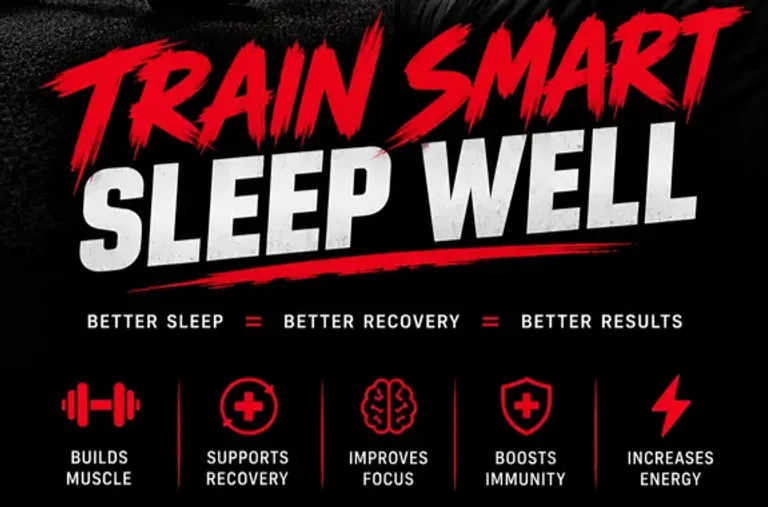
If you’re looking to change the shape of your body, or how it performs- sleep is vitally important. Sure, you can survive on 4/5/6 hours of sleep…living in a haze of caffeine, mistakes, forgetfulness and lacklustre life. If you want to.
Alternatively, you can choose to put more thought in to your sleep habits and commit to put elements in place so that you can get sufficient quantity and quality of sleep. Waking up and feeling ready to smash out the day is an awesome feeling. Unfortunately, for many of us, we forget just how great that feeling is!
Here at Progress we’ve compiled 20 top Sleeping Tips to allow you to get a night’s rest. No, we’re not expecting you’ll want or need to implement all 20! However, if even just 1 of these tips get you some more zzzzzz’s we’ll be happy and you’ll feel the difference.
Ok, let’s get some bedtime reading done….
During the day…
1. Intake of stimulants- Sure this piece is about sleeping and, as humans, we usually sleep during the night. However, this first tip is concerned with what goes on earlier in the day. Stimulants are metabolised at different rates by different people. Some can smash back a double espresso at 21:00 and fall asleep easily by 22:00 (nb this doesn’t mean they wouldn’t sleep better if they went easier/earlier on the caffeine!). Others can have a cup of tea mid-afternoon and are still affected by the time they should be winding down to sleep. If you’re struggling to sleep take a thorough check through your stimulant intake and timing. There’s caffeine in tea, coffee, many energy drinks, chocolate, many fizzy drinks including cola’s and numerous pre-workout drinks/gels. You may want to consider cutting back on caffeine after lunch time- using decaff coffee is one way and there are also caffeine-free pre-workout options to choose from. You might want to consider workouts earlier on Saturday and Sunday- where you can take caffeine prior and not have to worry about it being closer to bed time. Of course, if you train before midday this point won’t relate to your pre-workout drink.
2. Workout timing- next up- consider if when you workout is affecting your ability to get good quality sleep. Exercise is awesome and leaves many of us with a natural ‘high’. For some this makes it hard for them to get to sleep. In these cases, it’s worth considering moving workouts to earlier in the day. Before work, during lunchtime or immediately after work will give you more time to wind down, than smashing out a late-night session. Failing that, if you must train later at night consider taking 10-15minutes at the end of each workout to perform stretching, foam rolling and anything else that allows you to unwind before leaving the gym. Consider some avoiding ‘hard house’ in the car on the way home too!
In the hours prior to sleep…
3. Make a human connection- spending time with familiar faces or voices can leave us with a warm feeling of connection. Making time to visit with friends, or speak with family on the phone, can help us to feel content and at peace. Loneliness can bring quite the opposite feelings. Put a (handsfree!) call in to someone on the drive home from the gym, facetime your grandparents or drop by your neighbours for a catch up and make a connection.
4. ‘Blue Light’ restriction- until the advent of artificial light we spent many thousands of years with our evenings in the dark. Along came technology and now we can subject ourselves to artificial light right up until the moment we close our eyes. Of all the colours of light, blue light can affect our ability to fall asleep due to blocking the production of melatonin, boosting alertness and reaction speed- not great when we’re trying to encourage our brains to shut off! Blue light is emitted by screens- computer, phone, televisions. If you’re finding difficulty in falling asleep it’s well worth considering limiting your exposure to technology in the 2 or 3 hours prior to bed time. If you absolutely must use technology, in the hours immediately prior to bed time, consider wearing ‘Blue Blocker’ glasses for all screen time and activating the ‘night mode’ (or similar) on your phone.
5. ping, Ping, PING- most of us now live in a society which runs 24/7. Open all hours shopping, fast food and access to entertainment means we can be active right round the clock- should we choose to be. Our computers, tablets, laptops and phones mean we are contactable 24/7 too. Whereas this might be useful in a true emergency, the remainder of the notifications, bleeps, buzzes, pings and whoosh’s can seriously undermine our ability to wind-down, rest and recharge. We could be just dropping off…and then the phone lights up and ‘ping’ and you’ve lost another 20minutes or more of sleep! Thankfully, we have options. If you can, turn off your laptop, tablet and computer and leave your phone in the next room to where you sleep. Alternatively, your phone might have a ‘Downtime’ mode, or similar. This function allows you to set a time to turn off/deactivate certain phone features. For example, to allow you to fully relax, you might choose to shut down your Social Media between 22:00 and 08:00….no pings, no clicks, aaaah blissssssss 😊
6. Food for thought- or food for sleep? Anyway, what you ingest prior to bed time can have a profound effect, not just on your physique, weight and health, but on your sleep also. It’s likely some protein will assist you in retaining, repairing and building muscle- so find some way of including adequate amounts prior to sleep. You may prefer to eat your protein, via cottage cheese, Quark, protein pancakes, biltong, a tin of tuna. This would cut down the likelihood of you being woken to empty your bladder Alternatively, you may find that eating prior to bed time stops you from feeling relaxed and able to switch-off. If this is the case you could try drinking a protein shake or glass of milk prior to bed instead. Aside from protein you might want to experiment with carbs and fats to see which helps you sleep better. If you’re struggling to sleep consider eliminating sugary carbs in the hours immediately prior to sleep time. Some fats- avocado, nuts, fattier meats- salmon/beef might help you sleep better and slow down the release of the protein portion of your last meal. Experiment and find what works for you.
7. Morning Preparation- for most of us, by the time we’ve got our work and workout done for the day our time is our own- to spend with people we choose, doing the things we want. Conversely, the first part of the day can be a blur of rushing and deadlines. We can give ourselves a head-start by utilising the time before bed to make our mornings a little less hectic and more productive. Laying out workout and work clothes, preparing our breakfast, food for the next day and a hydrating morning drink (couple splashes of lemon juice, 3 pinches of Himalayan pink salt and 1000ml cold water is my ‘go to’) is a great way go to bed knowing we’ve bought ourselves more time in the morning and are staying on track with our goals.
8. “I must not forget A, B, C, D, E, F….” ☹ - aaah yes, that common occurrence of our subconscious mind giving us a nudge to remember some ‘thing’. That ‘thing’ might be vital- a important appointment tomorrow, something you really should do at work… or it might just be useful- put the wheelie bin out, pick up milk on the way home from work. Whatever the scale of the ‘thing’ there’s absolutely no need for you to burden your mind with it. The first papermaking process was documented in China, some 2000 years ago. Get what’s on your mind, on to the pad of paper that you now keep next to your bed. This is also a strong choice of time to bring to the fore of your mind 3 ‘Brightspots’ from the day. Take a few moments to recall 3 things that have happened during your day that made you satisfied, happy, content or simply smile.
Pre-bed…
9. ‘Down-regulate’- here we’re looking for a ‘winding down’ of the Sympathetic Nervous System, to allow us to feel relaxed and ready for sleep. Low intensity foam rolling, stretching, Pilates or Yoga might do the trick. Candles too can help create a feeling of readiness for bed.
10. Meditate- throughout the day we’re bombarded with stimulus and in an attempt to handle all that’s thrown at us we can lean on multitasking. We might be driving and handling a call back to the office or we could be eating, whilst watching television. Maybe it’s working out whilst watching a programme on our phones or chatting to a colleague whilst we work. The ‘noise’ in our heads can be so loud we start to lose focus on what is really important and, also, what is subtlety going on around us. Meditation returns us to a state of singular focus. It can help quieten the noise in our head and bring our mind back to a point of calmness. There are many free guided meditations on YouTube. I use a headband, called Muse, to meditate and, “yes”, before I tried it, I knocked it too.
Ready to Experience Progress Gym?
Join our community of members from all walks of life. Start your 7-day free trial today — no credit card required.
START YOUR FREE VIP 7-DAY TRIAL